COP, SCOP and heat-pump efficiency explained
Understand test figures, seasonal performance and why system temperature changes the result.
Read guide →
Build an informed shortlist before you request a survey. Dates form the owner-approved 2026 educational series; technical and funding facts are reviewed at build time.
Understand test figures, seasonal performance and why system temperature changes the result.
Read guide →
The questions that reveal design quality, consumer protection and aftercare.
Read guide →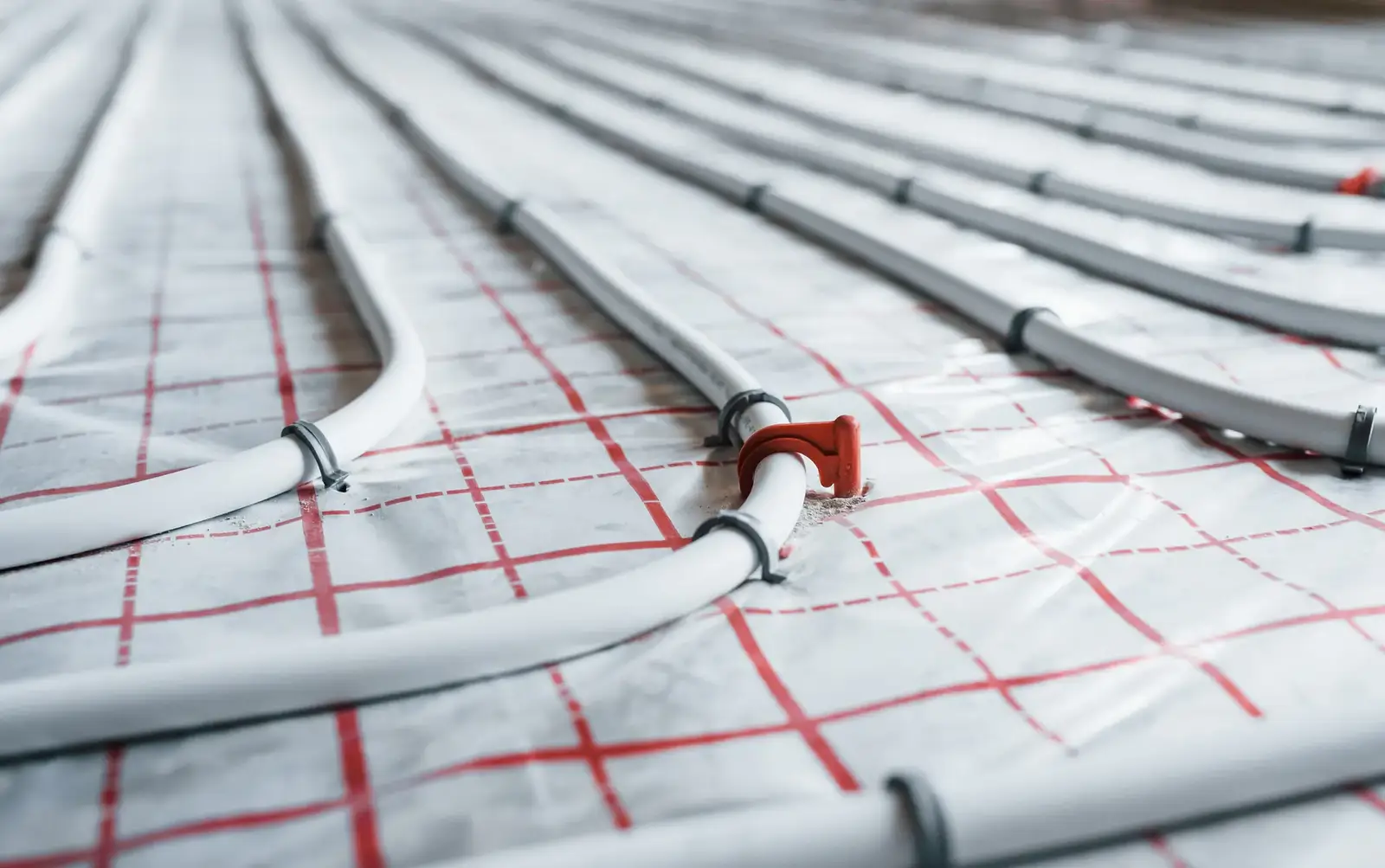
Designing floor output, pipe spacing and controls for low-temperature comfort.
Read guide →
Why storage volume, coil area and household demand matter.
Read guide →How automatic flow-temperature adjustment supports comfort and efficiency.
Read guide →
Why early coordination creates simpler, lower-temperature systems.
Read guide →A balanced route through fabric, radiators, conservation and comfort.
Read guide →A homeowner’s introduction to horizontal collectors and vertical boreholes.
Read guide →
How collectors, cylinders and controls can share domestic hot-water duties.
Read guide →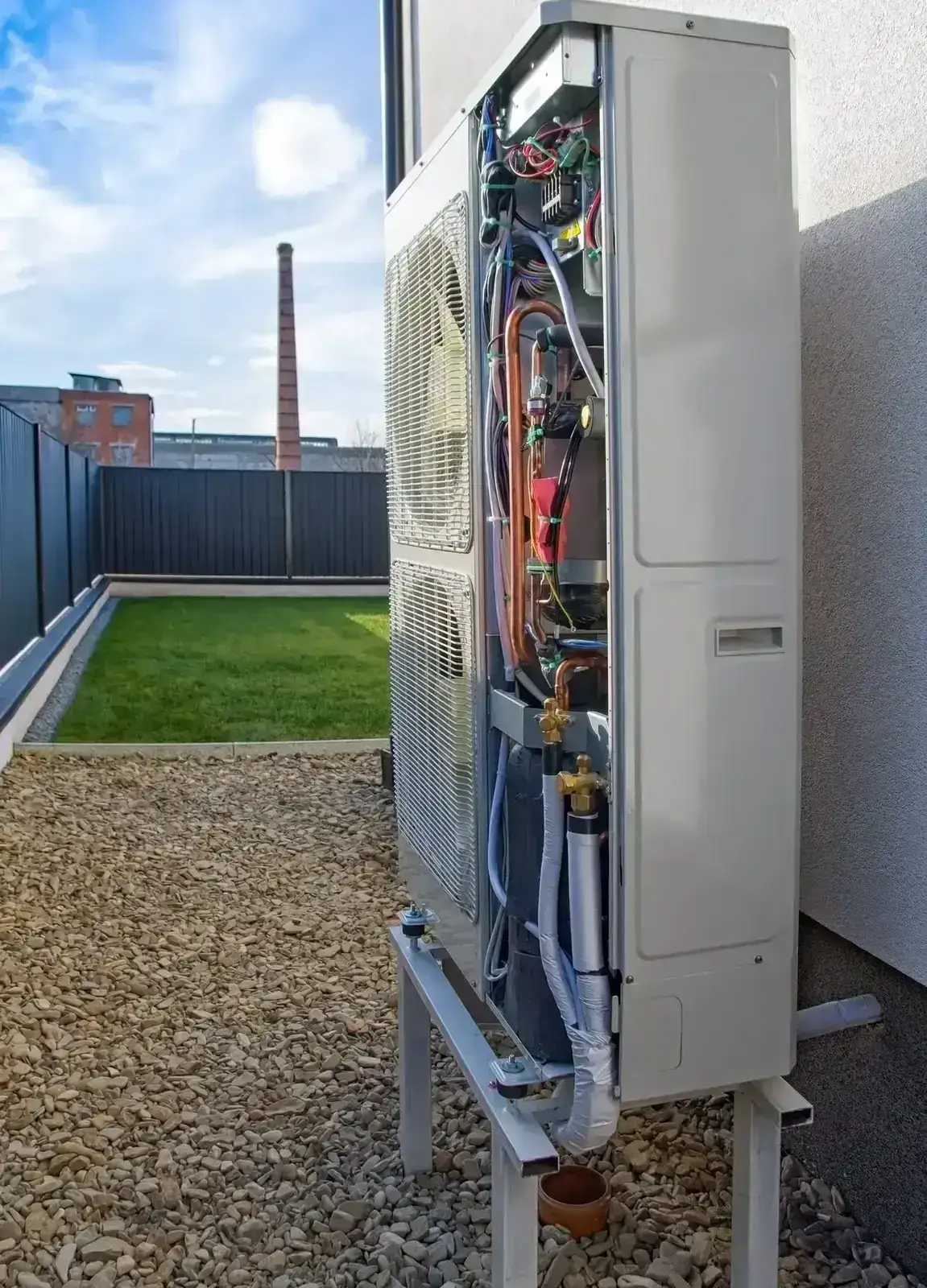
When noise, icing, cycling or lost comfort needs professional diagnosis.
Read guide →A practical checklist for air-source and ground-source systems.
Read guide →From survey and design through changeover, commissioning and handover.
Read guide →How thoughtful positioning protects neighbours, access and system performance.
Read guide →Current grant values, the installer-led process and questions to ask before relying on funding.
Read guide →A realistic look at tariffs, weather, flow temperature, controls and household demand.
Read guide →Why the answer is often “some of them” and how output is checked.
Read guide →
How measured heat demand prevents oversizing, cold rooms and unnecessarily high flow temperatures.
Read guide →The checks that matter more than property age alone.
Read guide →Compare space, groundworks, seasonal behaviour, budget and maintenance before choosing.
Read guide →A plain-English explanation of heat transfer, the refrigerant cycle and the wet heating system inside the home.
Read guide →A guide can explain the principle; a measured survey determines what applies to your home.
The guides are organised around the questions that usually shape a renewable-heating project: how the technology works, whether a home may be suitable, how emitters and hot water affect design, what installation involves, and how servicing protects an existing system. Begin with the issue you need to resolve rather than reading a product claim in isolation.
Record the present fuel, recent annual consumption where available, rooms that struggle, normal hot-water use, planned insulation or building work, and the space available for equipment. This gives general guidance a practical context and helps an initial enquiry reach the right survey or diagnostic route.
Use several guides together when decisions overlap. For example, suitability, radiators, hot-water cylinders, planning and running costs are connected parts of one design rather than separate product choices. Write down questions and unresolved assumptions as you read so a survey can test them directly.
Funding, planning and technical requirements can change. Our grant articles link to Ofgem and GOV.UK so the current scheme wording can be checked at the point of decision. A grant may reduce eligible capital cost, but it does not establish heat-pump suitability or replace a room-by-room calculation.
For running-cost or efficiency comparisons, keep the assumed heat demand, energy tariff, weather conditions, flow temperatures and household behaviour beside the figures. The useful next step is a written property-specific design with clear responsibilities for enabling work, commissioning, handover and aftercare.
After installation, retain the design, emitter schedule, settings, commissioning record, warranties and maintenance history. Those documents help the household understand normal operation and give a future engineer evidence for adjustment, servicing or fault finding.
NW Heating Services displays these current trade and manufacturer credentials. The certification relevant to your proposed system will be confirmed with the project documentation.